Thermal Comfort: 2026 Guide to Cutting AC Loads with Alucobond | BHD Kenya
BHD Kenya
February 10, 2026
Updated August 29, 2026
6 min read
Thermal Comfort: The Proven Way Alucobond Cladding Slashes AC Loads in Office Towers
Modern office towers in Nairobi are no longer judged purely on height, glass, or location. Thermal comfort and energy efficiency have become core valuation metrics, directly affecting tenant retention, operational costs, and ESG compliance. One material consistently delivering measurable performance gains is Alucobond aluminium composite cladding.
This guide explains, in practical and technical terms, how Alucobond cladding reduces air-conditioning loads in office towers, why it performs better than legacy finishes, and how it fits Nairobi’s climate, building codes, and commercial realities.
Why Thermal Comfort Is a Cost Issue, Not a Luxury
In Nairobi office towers, cooling accounts for up to 45–60% of total electricity consumption, making thermal inefficiency a direct operational cost problem.
Many buildings constructed before 2010 rely on:
Exposed concrete or plastered facades
Dark painted finishes with high heat absorption
Single-skin walls with no thermal break
These systems absorb solar radiation during the day and release it internally, forcing HVAC systems to work longer and harder. With rising KPLC tariffs and pressure from corporate tenants to reduce operating expenses, inefficient facades are now a liability.
Illustration showing how Alucobond cladding improves thermal comfort in Nairobi office towers by reducing solar heat gain, creating ventilated facades, and lowering air-conditioning loads for energy-efficient, comfortable workspaces
How Heat Enters Office Towers in Nairobi
Solar heat gain through facades is the single largest contributor to indoor temperature rise in mid- and high-rise buildings.
Key Nairobi-specific factors include:
High year-round solar exposure due to equatorial positioning
Intense afternoon sun on west-facing elevations
Urban heat island effects in Upper Hill, Westlands, and CBD
Limited night-time cooling in dense commercial zones
Traditional masonry and plaster finishes have high thermal mass but poor heat rejection, meaning they store heat and slowly release it indoors, even after sunset.
What Makes Alucobond Thermally Efficient?
Alucobond is a ventilated, lightweight cladding system that reduces heat transfer by reflecting solar radiation and creating an air buffer between the facade and the building envelope.
Its performance comes from three mechanisms working together:
High solar reflectivity
Ventilated cavity effect
Reduced thermal bridging
Unlike direct-applied finishes, Alucobond is installed on a sub-frame, creating a controlled air gap that dramatically alters heat behavior.
Because the cladding load is low, existing office towers can be retrofitted without over-stressing slabs or columns, making Alucobond ideal for upgrades without demolition.
Burhani Hardware Dealers (BHD Kenya) is a Nairobi-based supplier of polycarbonate roofing, Alucobond/ACP cladding, Perspex, WPC wall panels and steel products, serving contractors, fabricators and homeowners across Kenya.
Discover the benefits of transparent roofing, including natural daylight, energy savings and modern designs for homes, commercial buildings and outdoor spaces.
Explore pergola roofing ideas in Kenya using polycarbonate sheets and other materials for stylish outdoor spaces, shade, rain protection and natural light.
Discover balcony roofing ideas in Kenya, including polycarbonate and other practical materials for shade, rain protection, privacy and modern home design.


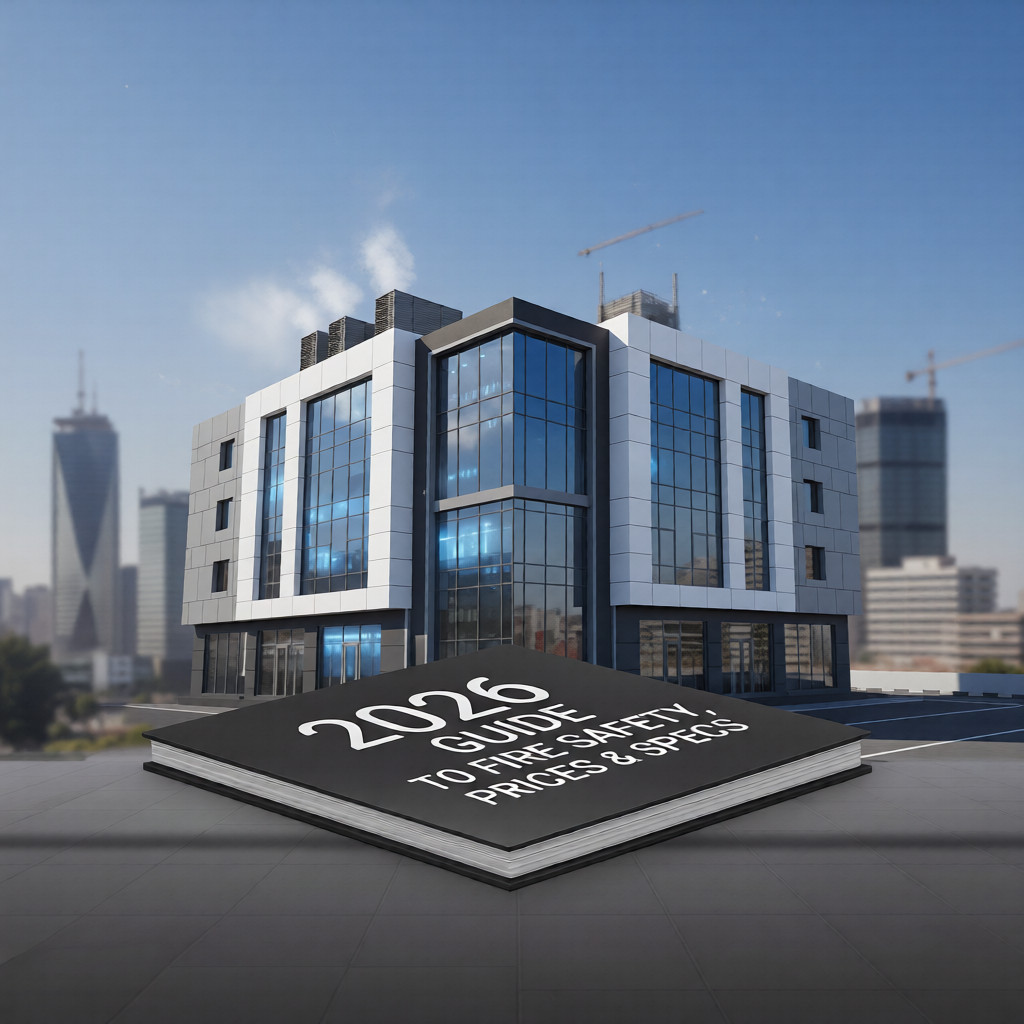 Illustration showing how Alucobond cladding improves thermal comfort in Nairobi office towers by reducing solar heat gain, creating ventilated facades, and lowering air-conditioning loads for energy-efficient, comfortable workspaces