

The Unsung Hero: Why Binding Wire Gauge Matters in Concrete Reinforcement
Quick answer
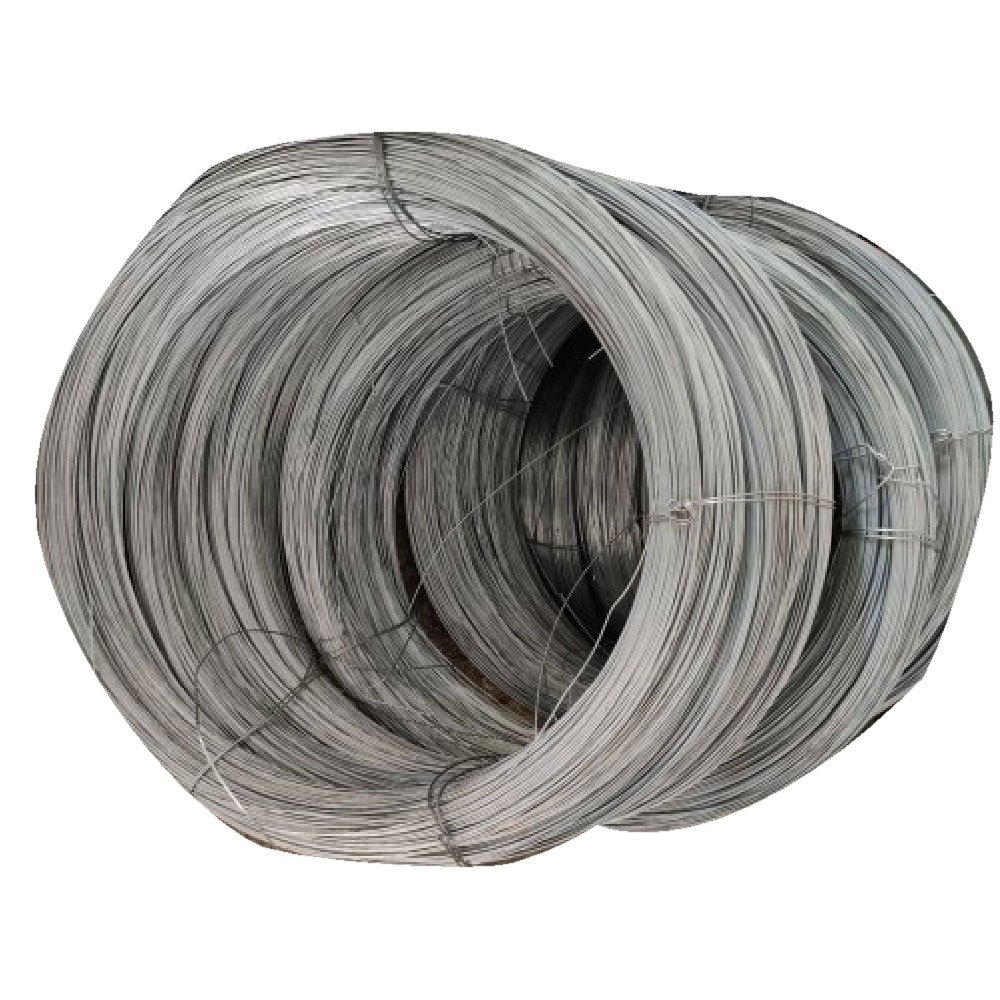
Binding wire is soft annealed steel wire used to tie reinforcement bars where they cross, so the rebar cage holds position while concrete is poured. It is graded by gauge, where a higher gauge number means thinner wire, and sold by the roll or by weight. Gauge affects tie strength, wastage and how fast steel fixers work.
The Unsung Hero: Why Binding Wire Gauge Matters in Concrete Reinforcement
Concrete structures rely heavily on steel reinforcement to maintain strength, stability, and longevity. While TMT bars, HR channels, and MS flat bars often get the spotlight, binding wire is the unsung hero that holds everything together. The gauge of the binding wire—its thickness and strength—plays a crucial role in the integrity of concrete reinforcement. Choosing the right gauge ensures structural stability, prevents shifting during pouring, and improves long-term performance.
At BHD, we supply high-quality binding wire in Kenya in various gauges suitable for residential, commercial, and industrial construction projects. Our products help contractors, builders, and engineers maintain precision and safety on every project.
Understanding Binding Wire and Its Role in Concrete Reinforcement
Binding wire is a flexible, durable steel wire used to tie reinforcing bars (rebar) in concrete structures. Its primary functions include:
-
Holding Rebars in Place: Ensures steel bars stay in their correct positions during concrete pouring.
-
Maintaining Structural Integrity: Prevents displacement that could compromise the strength of beams, columns, and slabs.
-
Facilitating Efficient Construction: Speeds up reinforcement work and allows for precise alignment.
Though often overlooked, binding wire is essential in creating reinforced concrete structures that meet safety and durability standards.
For complementary steel materials, check our guides on MS flat bars and HR channels in Kenya.
What is Wire Gauge and Why It Matters
The gauge of binding wire refers to its thickness. Commonly expressed in SWG (Standard Wire Gauge), the gauge affects the wire’s tensile strength, flexibility, and ease of use.
Key Considerations
-
Thickness: Thicker wires (lower gauge numbers) provide higher tensile strength but may be harder to twist.
-
Flexibility: Thinner wires (higher gauge numbers) are easier to handle and tie but may not hold heavy rebar firmly.
-
Application Suitability: For heavy-duty reinforcement in high-rise buildings or industrial slabs, a thicker gauge is recommended. For residential projects, standard gauges suffice.
Selecting the appropriate gauge ensures that rebars remain tightly secured without risking wire breakage or excessive effort during tying.
Common Binding Wire Gauges in Kenya
In Kenya, contractors commonly use the following gauges:
-
16 Gauge (1.63mm): Strong and suitable for heavy-duty reinforcement in commercial and industrial structures.
-
18 Gauge (1.22mm): Standard choice for most residential and mid-rise construction.
-
20 Gauge (0.91mm): Lightweight applications or areas requiring more flexibility during tying.
At BHD, we provide binding wire in various gauges to meet project-specific requirements, ensuring safety, efficiency, and cost-effectiveness.
How Binding Wire Gauge Affects Concrete Performance
1. Structural Stability
Thicker binding wire ensures that rebars remain in the correct alignment during concrete pouring, preventing structural weaknesses such as uneven load distribution or cracks.
2. Work Efficiency
The right gauge reduces the time and effort required to tie rebars, allowing workers to complete reinforcement faster without compromising safety.
3. Cost-Effectiveness
Using an inadequate gauge may result in frequent replacements or structural issues, increasing project costs. Selecting the correct gauge minimizes wastage and ensures long-term durability.
For tips on maximizing reinforcement quality, see our guide on binding wire uses, cost, and importance in Kenya.
Selecting the Right Binding Wire for Your Project
Choosing the correct binding wire involves assessing several factors:
-
Project Scale: Large commercial or industrial projects require thicker gauges.
-
Concrete Type: High-strength concrete needs stronger reinforcement ties.
-
Workforce Skill: Experienced workers can handle higher gauge wires efficiently.
-
Budget Considerations: Balance between strength and cost to optimize resources.
By aligning wire gauge selection with project requirements, contractors can ensure reinforced concrete meets safety standards while staying within budget.
Tips for Using Binding Wire Safely and Effectively
-
Inspect the Wire: Check for rust, kinks, or uneven thickness before use.
-
Cut and Twist Properly: Use wire cutters and pliers to secure rebars without damaging the wire.
-
Maintain Consistent Ties: Ensure spacing and tightness are uniform across the structure.
-
Store Appropriately: Keep wire in dry, covered areas to prevent corrosion.
Pairing binding wire with MS flat bars, TMT bars, and HR channels ensures the highest structural integrity for concrete frameworks.
Why Buy Binding Wire from BHD
BHD is a trusted supplier of binding wire in Kenya and other essential steel products:
-
High-Quality Products: Durable, rust-resistant, and available in multiple gauges.
-
Nationwide Delivery: Same-day delivery in Nairobi and next-day delivery across Kenya.
-
Expert Advice: Our team helps contractors select the appropriate wire gauge for any project.
-
Complete Construction Solutions: Combine binding wire with MS flat bars, TMT bars, and other reinforcement materials for optimal performance.
Final Thoughts & Call to Action
Binding wire may be small, but its role in concrete reinforcement is monumental. Selecting the correct wire gauge ensures structural stability, work efficiency, and cost-effectiveness. By prioritizing quality binding wire in every project, you uphold safety, durability, and long-term performance.
Ensure your construction projects use the right materials. Order binding wire from BHD today for high-quality products, expert guidance, and nationwide delivery.
Contact us:
Burhani Hardware Dealers
burhanihardwaredealers yahoo.com
Call/WhatsApp: +254 731 217 462 | +254 790 545 205
Visit: BHD, Industrial Area, Funzi Road, Nairobi
We deliver to Nairobi, Nakuru, Kisumu, Mombasa, Eldoret, Kisii, and across Kenya.
Frequently asked questions

Written & reviewed by
BHD Kenya
Burhani Hardware Dealers (BHD Kenya) is a Nairobi-based supplier of polycarbonate roofing, Alucobond/ACP cladding, Perspex, WPC wall panels and steel products, serving contractors, fabricators and homeowners across Kenya.