

Marble Board Finishing: Luxury Interiors on a Kenyan Budget | BHD 2026
Quick answer
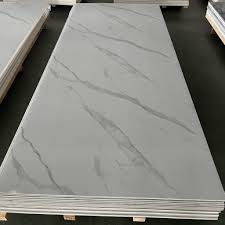
Marble board finishing is the technique of installing marble-effect panels so they read as continuous stone: a flat levelled substrate, veining matched across joints, tight butt joints or matching trims, and sealed edges at corners and openings. Done carefully, it delivers a stone look on a normal Kenyan interiors budget.
Marble Board Finishing: Achieving Luxury Interior Aesthetics on a Kenyan Construction Budget
Marble board finishing is a popular choice for homeowners and interior designers in Kenya who want luxurious aesthetics without overspending on natural stone. By using high-quality marble boards, skilled workmanship, and strategic finishing techniques, it is possible to achieve a polished, modern look while staying within budget. This guide provides step-by-step finishing methods, Kenyan-specific best practices, material specifications, and cost-saving strategies, all aligned with KEBS standards and local construction codes.
What Are Marble Boards and Why Are They Popular in Kenya?
Direct Answer:
Marble boards are engineered or natural stone panels designed for interior surfaces, offering a premium look at a fraction of natural marble costs. In Kenya, they are widely used for countertops, wall cladding, flooring, and decorative elements in homes, offices, and commercial spaces.
Benefits include:
-
Cost-effective luxury: Provides a marble look without high natural stone costs.
-
Ease of installation: Lighter than solid marble, reducing structural load.
-
Variety of finishes: Polished, matte, or textured options.
-
Durability: Resistant to scratches and stains when properly sealed.
-
Compliance: KEBS-certified boards meet the 2025 Standards Levy, ensuring quality and safety.
Explore BHD’s marble board collection for Kenyan construction projects.
How to Choose Marble Boards for Budget-Friendly Luxury
Direct Answer:
Selecting the right marble board involves balancing thickness, finish, durability, and supplier credibility to ensure both aesthetic appeal and cost efficiency.
Key Considerations:
-
Thickness: 12–20 mm for countertops; 6–12 mm for wall cladding.
-
Finish: Polished for high-end look; matte for modern interiors.
-
Material Type: Engineered marble boards often offer more consistent color at lower cost than natural slabs.
-
Supplier Verification: Ensure KEBS-certified boards with KRA eTIMS-compliant invoices.
-
Project Scale: Buy in bulk to take advantage of pricing discounts.
BHD provides verified marble boards suitable for both residential and commercial interiors.
What Tools and Materials Are Needed for Marble Board Finishing?
Direct Answer:
Using the correct tools ensures a professional finish, reduces wastage, and maintains structural integrity.
Essential Tools:
-
Spirit level and measuring tape
-
Diamond cutting blades for precise cuts
-
Wet saws for clean edges
-
Electric grinders and polishers
-
Adhesives and KEBS-approved sealants
-
Safety equipment: gloves, goggles, dust masks
Optional: Templates for patterned installations and corner clamps for seamless edges.
Step 1: Preparing the Surface
Direct Answer:
Proper surface preparation ensures strong adhesion, smooth finish, and prevents cracking or bubbling over time.
Preparation Steps:
-
Clean the substrate: Remove dust, oils, and loose particles.
-
Leveling: Use cement screed or plaster to achieve a flat surface.
-
Moisture Testing: Ensure moisture content is below 6% to prevent board warping.
-
Primer Application: Use KEBS-approved primer for stronger adhesive bonding.
Proper preparation is crucial in coastal cities like Mombasa and humid regions like Kisumu, where moisture can compromise adhesion.
Step 2: Cutting and Fitting Marble Boards
Direct Answer:
Accurate cutting and fitting prevent gaps, misalignment, and reduce wastage, keeping the project within budget.
-
Measure each board carefully; mark cutting lines using a pencil or chalk.
-
Use a wet saw to minimize chipping.
-
Allow a 2–3 mm expansion gap along edges for thermal movement.
-
Dry-fit boards before applying adhesive to check alignment.
BHD offers to match your project dimensions precisely.
Step 3: Adhesion and Fixing
Direct Answer:
Using KEBS-certified adhesives ensures boards remain securely fixed and maintains surface integrity over time.
Fixing Steps:
-
Apply a uniform layer of adhesive using a notched trowel.
-
Position the board and gently press into place.
-
Use spacers for even gaps and alignment.
-
Allow adhesive to cure per manufacturer instructions (usually 24–48 hours).
Proper fixing reduces the risk of board lifting or cracking, especially in high-traffic areas.
Step 4: Polishing and Finishing
Direct Answer:
Polishing enhances visual appeal, creates a smooth surface, and protects against staining.
-
Start with coarse diamond pads to remove minor surface irregularities.
-
Gradually progress to finer pads for a polished finish.
-
Clean dust thoroughly before applying sealants.
-
Optional: Apply a KEBS-approved protective coating for additional durability.
This step is critical for achieving luxury aesthetics on a budget without compromising quality.
Step 5: Sealing and Maintenance
Direct Answer:
Sealing protects boards from stains, moisture ingress, and maintains color vibrancy for years.
-
Use KEBS-certified sealant suitable for engineered marble boards.
-
Reapply every 1–2 years depending on usage and exposure.
-
Clean with mild detergents; avoid acidic or abrasive cleaners.
Routine maintenance in Nairobi, Mombasa, and other Kenyan cities ensures boards remain pristine without expensive repairs.
Cost Analysis: Achieving Luxury on a Budget
Direct Answer:
Using marble boards strategically allows homeowners to achieve high-end aesthetics while controlling material and labor costs.
| Component | Cost (KES) | Notes |
|---|---|---|
| Marble Boards (12 mm) | 2,500/m² | Engineered, KEBS-certified |
| Adhesives & Sealants | 400/m² | KEBS-approved |
| Labor | 800/m² | Installation, cutting, polishing |
| Total | 3,700/m² | Compared to natural marble (~6,000/m²) |
By selecting engineered marble boards and efficient installation, Kenyan homeowners can achieve ~40% savings compared to natural marble.
Technical Specifications for BHD Marble Boards
| Parameter | Standard Metric | Notes for Kenyan Use |
|---|---|---|
| Thickness | 6–20 mm | Depending on application |
| Width | 600–1200 mm | Standard board sizes |
| Length | 2,400–3,000 mm | Can be customized |
| Finish | Polished / Matte | Durable and aesthetic |
| Density | 2.2–2.4 g/cm³ | Lightweight, reduces load |
| Flexural Strength | ≥ 35 MPa | KEBS-compliant |
| Water Absorption | <0.5% | Suitable for humid Kenyan regions |
| Fire Rating | Class A1 | NBC 2024 compliant |
Common Mistakes to Avoid
Direct Answer:
Avoiding installation and maintenance mistakes preserves aesthetics and reduces long-term costs.
-
Ignoring surface leveling → uneven boards and adhesive failure
-
Overcutting boards → unnecessary material waste
-
Using non-certified adhesives → weak bonding
-
Skipping sealant → stains and moisture damage
-
Poor maintenance in humid regions → discoloration and mildew
BHD provides professional results.
Where to Source Marble Boards in Kenya
Direct Answer:
BHD supplies KEBS-certified marble boards with same-day delivery in Nairobi and next-day countrywide shipping.
Delivery Highlights:
-
Nairobi: Same-day delivery
-
Countrywide: Nakuru, Kisumu, Mombasa, Eldoret, Thika, Meru, Kitengela, Malindi
Contact BHD for orders and technical support:
burhanihardwaredealers yahoo.com
+254 731 217 462 | +254 790 545 205
https://bhd.co.ke
Industrial Area, Funzi Road, Nairobi
Conclusion: Achieving Luxury Interiors on a Budget
Direct Answer:
Marble board finishing provides Kenyan homeowners with high-end aesthetics without excessive cost. By choosing KEBS-certified boards, proper installation techniques, and regular maintenance, it is possible to achieve a luxurious, durable interior that aligns with National Building Code 2024 and stays within a construction budget.
BHD offers certified marble boards, adhesives, and finishing accessories to help homeowners and contractors achieve professional results across Kenya.
Frequently asked questions

Written & reviewed by
BHD Kenya
Burhani Hardware Dealers (BHD Kenya) is a Nairobi-based supplier of polycarbonate roofing, Alucobond/ACP cladding, Perspex, WPC wall panels and steel products, serving contractors, fabricators and homeowners across Kenya.