

Concealed vs Visible Fixing Systems for WPC Installation | BHD
Quick answer
Concealed fixing hides the fasteners: panels lock onto clips or interlocking edges, so the finished wall shows no screw heads. Visible fixing screws through the panel face, which is faster, cheaper and easier to take apart later, but leaves fasteners on show unless they are capped or colour-matched to the board.
The Hidden Fix: Concealed vs. Visible Fixing Systems for WPC Installation
Wood-Plastic Composite (WPC) wall panels are rapidly becoming a preferred choice in Kenyan construction for both residential and commercial projects. Combining the aesthetic appeal of wood with the durability of plastic, WPC panels offer long-lasting, low-maintenance solutions. However, achieving a flawless installation is just as important as selecting high-quality panels. One critical decision contractors and homeowners face is whether to use concealed or visible fixing systems.
In this comprehensive guide, we explore the differences, advantages, and best applications for each fixing method, helping you make informed decisions for your WPC installation projects.
Understanding WPC Wall Panels
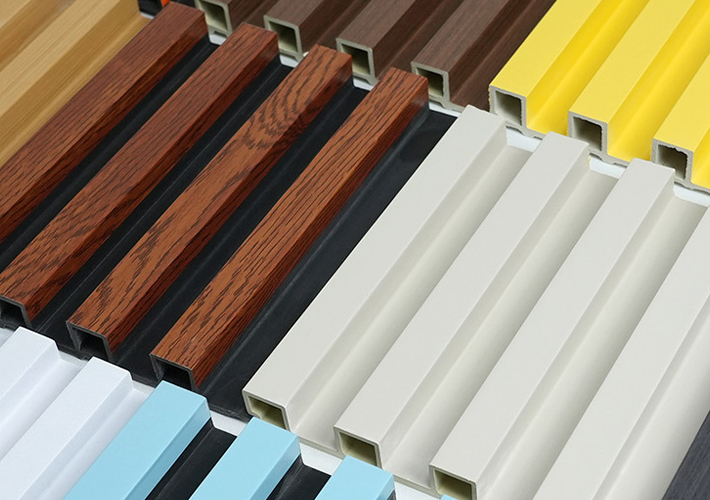
WPC wall panels are manufactured from a mixture of wood fibers and thermoplastics. This combination delivers:
-
Durability: Resistant to moisture, rot, and insects
-
Low Maintenance: Requires minimal upkeep compared to natural wood
-
Design Versatility: Available in various colors, textures, and finishes
For more on WPC panels, see WPC Wall Panels in Kenya and WPC Wall Panels Materials, Benefits & Applications.
What Are Concealed and Visible Fixing Systems?
Fixing systems are the methods used to attach WPC panels to walls or structures. They not only ensure stability but also influence aesthetics and maintenance.
Concealed Fixing Systems
Concealed fixing systems hide screws, nails, or fasteners behind the panels, creating a clean, uninterrupted surface.
Common features:
-
Clips or brackets attached to the wall
-
Panels slide or snap into place
-
Fasteners remain hidden
Visible Fixing Systems
Visible fixing systems leave screws, nails, or bolts exposed, often aligned in a decorative pattern.
Common features:
-
Screws or nails visible on panel surfaces
-
Easier installation
-
Fasteners may be treated or color-matched for aesthetic purposes
For a step-by-step guide to WPC installation, see Step-by-Step Installing WPC Wall Panels Kenya.
Advantages of Concealed Fixing Systems
-
Aesthetic Appeal
Concealed systems create a seamless look, perfect for modern interiors and facades. They allow the wood grain or texture to shine without interruption. -
Reduced Maintenance Issues
With no exposed screws, there’s less chance of corrosion or unsightly rust stains forming over time. -
Safety and Durability
Hidden fasteners reduce the risk of injury from exposed screws and maintain panel integrity, especially in high-traffic areas.
Learn more about maintaining WPC panels in humid climates at Maintenance & Durability of WPC Wall Panels in Humid Climates.
Advantages of Visible Fixing Systems
-
Simplicity of Installation
Visible systems are straightforward, requiring fewer specialized tools or clips. This can reduce labor time and installation costs. -
Easy Panel Replacement
If a panel becomes damaged, it’s easier to unscrew and replace with minimal disruption. -
Cost-Effective
No need for hidden clips or brackets, making it an economical choice for larger projects.
For guidance on selecting WPC panels, see WPC Wall Panels vs Wooden Panels Kenya.
When to Use Concealed Fixing Systems
-
Residential Projects: Creates a sleek, modern look in living rooms, bedrooms, or feature walls.
-
High-End Commercial Spaces: Offices, showrooms, and hotels where aesthetics are critical.
-
Outdoor Facades: Concealed fasteners protect panels from weather-related wear and tear.
When to Use Visible Fixing Systems
-
Industrial Applications: Warehouses, factories, or utility spaces where aesthetics are secondary.
-
Budget-Conscious Projects: Reduces material and labor costs.
-
Temporary or Modular Installations: Easier to dismantle and reuse panels.
Tips for Successful WPC Installation
-
Plan Your Layout: Decide whether aesthetics or cost-efficiency takes priority.
-
Choose the Right Panels: Thickness and finish influence fixing method suitability.
-
Use Quality Fasteners: Rust-resistant screws or clips extend the lifespan of the installation.
-
Allow for Expansion: WPC panels expand and contract with temperature changes; hidden systems require precise alignment.
-
Follow Manufacturer Guidelines: Always adhere to recommended spacing and installation techniques.
For a comprehensive installation guide, see Installation Guide WPC Wall Panels Accessories & Pro Tips.
Combining Both Systems
Some designers use a hybrid approach, employing concealed fixings for main panels and visible fixings for accent sections. This allows for both aesthetics and practicality:
-
Concealed fasteners maintain clean primary surfaces
-
Visible fasteners highlight borders or decorative areas
This strategy can enhance both the visual appeal and ease of maintenance.
Why Choose BHD for WPC Panels
BHD is a trusted supplier of WPC wall panels and accessories in Kenya, offering:
-
Wide Range of Panels: Various sizes, finishes, and colors
-
Expert Guidance: Help choosing between concealed and visible fixing systems
-
Nationwide Delivery: Same-day in Nairobi, next-day across Kenya
Explore our range at WPC Wall Panels in Kenya and learn more about the benefits at Why WPC Wall Panels Are Becoming Popular in Kenyan Construction.
Final Thoughts
Choosing between concealed and visible fixing systems can significantly affect the look, functionality, and maintenance of your WPC installation. Concealed systems provide a sleek, modern finish, ideal for high-end projects, while visible systems are practical, cost-effective, and easier to maintain or replace.
By understanding the advantages of each and consulting with experts like BHD, contractors, homeowners, and architects in Kenya can achieve flawless, long-lasting WPC installations that enhance both interiors and exteriors.
Contact BHD Today
-
Visit: WPC Wall Panels in Kenya
-
Call/WhatsApp: +254 731 217 462 | +254 790 545 205
-
Branch: BHD, Industrial Area, Funzi Road, Nairobi
Nationwide delivery available — Nairobi, Mombasa, Kisumu, Nakuru, Eldoret, and beyond.
Frequently asked questions

Written & reviewed by
BHD Kenya
Burhani Hardware Dealers (BHD Kenya) is a Nairobi-based supplier of polycarbonate roofing, Alucobond/ACP cladding, Perspex, WPC wall panels and steel products, serving contractors, fabricators and homeowners across Kenya.