

“Comparing WPC Wall Panels vs Gypsum Boards: Which is Best for Your Project?”
Quick answer
Gypsum board and WPC panels solve different problems. Gypsum is cheaper per square metre and easy to shape into ceilings and bulkheads, but it must be taped, skimmed and painted, and it fails where there is damp. WPC panels cost more, arrive already finished, and resist water, termites and impact, so they suit wet rooms and high-traffic walls.
Comparing WPC Wall Panels vs Gypsum Boards: Which is Best for Your Project?
Interior wall finishing has evolved significantly in recent years, with homeowners, contractors, architects, and developers in East Africa increasingly seeking materials that combine durability, aesthetic appeal, long-term performance, and cost efficiency. Among the most popular options in Kenya today are WPC (Wood Plastic Composite) wall panels and gypsum boards. Both materials offer unique advantages, and both have strong use cases, but they are far from identical. Understanding these differences is crucial for choosing the right wall solution for your home, office, institution, or commercial project.
This comprehensive comparison explores material composition, installation, aesthetics, cost, moisture resistance, durability, fire resistance, sound insulation, maintenance, and best applications, helping you make the most informed decision for your interior design or renovation project.
What Are WPC Wall Panels?
WPC wall panels are Wood Plastic Composite boards made from a blend of wood fibre, PVC resins, and stabilisers. The result is a rigid, decorative panel with enhanced durability, dimensional stability, and weather resistance.
Key Properties of WPC Wall Panels
-
Water-resistant and suitable for humid interiors
-
Resistant to termites and mould
-
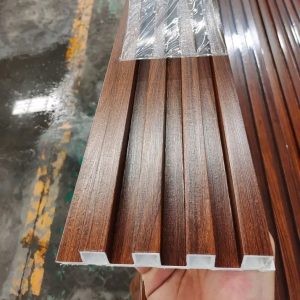
Available in 3D textures, slatted profiles, marble finishes, and plain designs
-
Long-lasting and low maintenance
-
Faster to install than traditional gypsum
Because these panels are decorative and structural (depending on thickness), they offer an all-in-one solution for modern interior projects.
What Are Gypsum Boards?
Gypsum boards, commonly known as drywall, are made from a gypsum core sandwiched between two layers of paper. They are widely used for ceilings, partition walls, and smooth wall finishes.
Key Properties of Gypsum Boards
-
Lightweight and easy to shape
-
Smooth surface ideal for painting
-
Affordable and widely available
-
Requires framing and finishing
-
Susceptible to moisture damage unless moisture-resistant (MR) gypsum is used
Gypsum boards are ideal for creating seamless, paint-ready surfaces but generally require further finishing work.
WPC Wall Panels vs Gypsum Boards: Side-by-Side Comparison
The following comparison table summarises the primary differences:
| Feature | WPC Wall Panels | Gypsum Boards |
|---|---|---|
| Material Composition | Wood + PVC composite | Gypsum core + paper |
| Water Resistance | Excellent | Poor (unless MR) |
| Durability | High | Moderate |
| Fire Rating | Good | High (better fire resistance) |
| Installation Time | Fast | Moderate |
| Aesthetic Variety | Extensive | Limited to paint/texture |
| Maintenance | Minimal | Requires repainting/repairs |
| Use in Humid Areas | Suitable | Not suitable (except MR) |
| Impact Resistance | High | Low–moderate |
| Cost | Medium | Low–medium |
| Lifespan | 15–25 years | 5–15 years |
1. Installation Comparison: WPC Panels vs Gypsum Boards
Installation Process for WPC Wall Panels
WPC panels are designed for quick and clean installation. They can be fixed using:
-
Clips and profiles
-
Screws
-
Adhesive (for some designs)
They typically mount directly on walls without the need for plastering or skimming.
Benefits of WPC Installation
-
No drying time
-
Minimal debris
-
Faster project turnaround
-
No painting required
This makes them ideal for tight timelines, retail fit-outs, offices, and homes aiming to avoid prolonged renovations.
Installation Process for Gypsum Boards
Gypsum installation involves:
-
Setting up a steel or timber framing system
-
Cutting and mounting boards
-
Joint filling with compound
-
Sanding
-
Applying primer
-
Painting
This process is more labour-intensive and results in significantly more dust and finishing time.
Downsides of Gypsum Installation
-
Longer installation
-
Requires skilled labour
-
Multiple finishing stages
-
Potential for cracking with building movement
Winner: WPC Panels
WPC panels offer a cleaner, faster installation with fewer steps and a ready-made finish.
2. Aesthetic Appeal and Design Versatility
WPC Wall Panels
WPC panels come in a wide range of styles, including:
-
3D textured panels
-
Slatted acoustic panels
-
Marble-look decorative boards
-
Matte, glossy, and wooden finishes
These panels deliver a modern, luxurious appearance ideal for:
-
Hotel interiors
-
Office feature walls
-
TV units
-
Living room accents
-
Bedroom headboards
Because WPC designs are pre-finished, what you see is exactly what you get.
Gypsum Boards
Gypsum provides a blank canvas that must be painted or textured. While it allows for:
-
Paint
-
Wallpaper
-
Skim texture
-
Decorative mouldings
it lacks the built-in premium finish of WPC panels. Achieving high-end aesthetics with gypsum requires additional labour.
Winner: WPC Panels
For modern, decorative, ready-made aesthetics, WPC offers significantly more visual impact.
3. Durability and Structural Performance
WPC Wall Panels
WPC panels are:
-
Highly resistant to scratches
-
Resistant to impact
-
Non-degradable under normal indoor conditions
-
Termite-proof
-
Moisture-proof
They maintain shape even in high-traffic areas.
Gypsum Boards
Gypsum is softer and more prone to:
-
Crumbling under impact
-
Swelling when exposed to moisture
-
Scratches and dents
-
Cracks due to building movement
Even MR (Moisture Resistant) gypsum is not suitable for long-term moisture exposure.
Winner: WPC Panels
WPC panels deliver superior durability, especially in homes with children, pets, or heavy use.
4. Moisture Resistance
WPC Panels
WPC panels are waterproof and do not swell or warp in humid environments. They can be used in:
-
Kitchens
-
Bathrooms (non-steam areas)
-
Laundry rooms
-
Coastal regions
-
High-humidity climates
Gypsum Boards
Standard gypsum boards absorb moisture and deteriorate quickly. Even MR boards:
-
Can swell over time
-
Are not waterproof
-
Require careful installation
They are not recommended for areas with frequent humidity exposure.
Winner: WPC Panels
WPC panels are the superior option for moisture-prone spaces.
5. Fire Resistance
WPC Panels
WPC panels are fire-retardant but made from PVC, meaning they may deform under extreme heat. They meet standard indoor fire-safety requirements.
Gypsum Boards
Gypsum contains water molecules, making it:
-
Naturally fire-resistant
-
A strong choice for fire-rated walls
-
Suitable for commercial and institutional buildings requiring compliance
Winner: Gypsum Boards
Gypsum is the preferred material for strict fire-rated interior walls.
6. Cost Comparison
WPC Wall Panels
WPC panels have a higher upfront cost, but lower long-term expenses due to:
-
No painting
-
No plastering
-
Minimal maintenance
-
Extended lifespan
They offer better value for decorative wall finishes.
Gypsum Boards
Gypsum boards cost less initially but require:
-
Framing
-
Joint filling
-
Priming
-
Painting
-
Occasional repairs
When all finishing costs are added, gypsum can become nearly as expensive as WPC.
Winner: Draw
Gypsum is cheaper upfront; WPC is more cost-effective long-term.
7. Acoustic Performance
WPC Wall Panels
Some WPC designs, especially slatted acoustic panels, offer excellent sound absorption, making them ideal for:
-
Home theatres
-
Meeting rooms
-
Studios
-
Offices
Gypsum Boards
Gypsum does provide decent sound insulation but often requires:
-
Double layers
-
Acoustic insulation batts
-
Damping compounds
to reach high acoustic performance.
Winner: WPC Panels (for acoustic applications)
Modern WPC acoustic designs generally outperform single-layer gypsum.
8. Maintenance and Lifespan
WPC Panels
WPC panels require:
-
Simple wiping
-
No repainting
-
No sanding
-
No maintenance beyond cleaning
They last 15–25 years while maintaining appearance.
Gypsum Boards
Gypsum requires:
-
Repainting
-
Crack repairs
-
Patchwork after damage
-
Moisture monitoring
Gypsum finishes degrade faster and show wear more easily.
Winner: WPC Panels
They offer the lowest maintenance and longest decorative lifespan.
Best Applications for Each Material
Where WPC Wall Panels Work Best
-
Feature walls
-
Office boardrooms
-
Luxury interiors
-
Hotels and lounges
-
Residential living rooms
-
Bedrooms
-
TV wall units
-
Hallways and receptions
-
Moisture-prone areas
-
Acoustic enhancement areas
Where Gypsum Boards Work Best
-
Ceilings
-
Bulkheads
-
Cove lighting features
-
Large wall partitions
-
Fire-rated walls
-
Budget interior projects
-
Painted surfaces
Final Verdict: Which Should You Choose?
Choose WPC Wall Panels if you need:
-
A modern decorative finish
-
Fast installation
-
Long-term durability
-
Moisture resistance
-
Minimal maintenance
-
3D, slatted, or marble-look designs
Choose Gypsum Boards if you need:
-
A painted surface
-
A low initial budget
-
Ceiling design work
-
Fire-rated wall systems
-
Flexible shaping for curves and mouldings
For most modern interior design applications, especially decorative walls, WPC wall panels offer the best long-term value, durability, and visual appeal.
Countrywide Delivery Available
We deliver WPC wall panels and related accessories across Kenya, including:
Nairobi, Nakuru, Eldoret, Kisumu, Kakamega, Naivasha, Mombasa, Machakos, Thika, Meru, Kericho, Nyeri, Bungoma, Kitui, Malindi, Embu, Busia, Migori, Nanyuki, Isiolo, Kisii, Lodwar, Narok, Mtwapa, Kiambu and many more.
Frequently asked questions

Written & reviewed by
BHD Kenya
Burhani Hardware Dealers (BHD Kenya) is a Nairobi-based supplier of polycarbonate roofing, Alucobond/ACP cladding, Perspex, WPC wall panels and steel products, serving contractors, fabricators and homeowners across Kenya.