Comparing Polycarbonate Roofing Sheets: Egyptian vs. Chinese in Kenya | BHD 2026 Guide
Quick answer
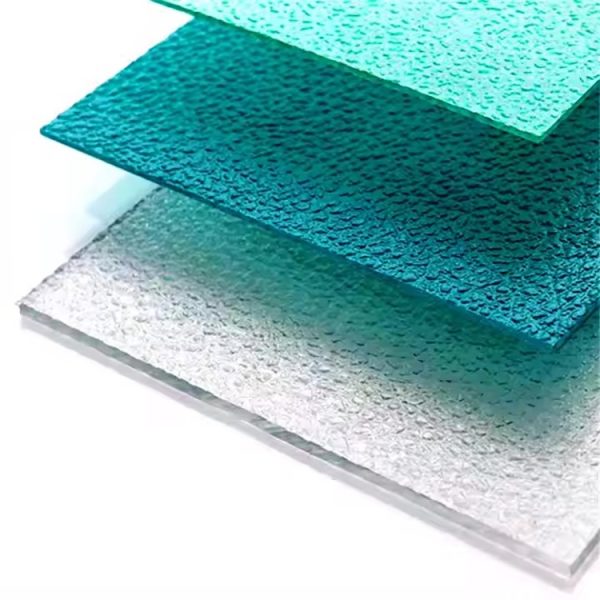
Egyptian and Chinese polycarbonate sheets differ mainly in resin quality, UV layer thickness and sheet weight rather than appearance. Heavier sheets with a properly co-extruded UV layer hold clarity longer under Kenyan sun, while lighter budget sheets can yellow or turn brittle sooner. Always check the stated weight, thickness and UV side before buying.
Comparing Polycarbonate Roofing Sheets: Egyptian vs. Chinese Variants in the Kenyan Market
Polycarbonate roofing sheets are fast becoming a go‑to roofing solution in Kenya due to their lightweight strength, UV resistance, and versatility for commercial, residential, and industrial projects. However, when selecting sheets, origin matters — particularly between Egyptian and Chinese variants, both widely available in Kenya. This comprehensive guide breaks down how these options perform under Kenyan conditions, including cost, durability, compliance with KEBS 2025 Standards Levy, National Building Code 2024, and long‑term value (ROI).
What Are Polycarbonate Roofing Sheets and Why Are They Used in Kenya?
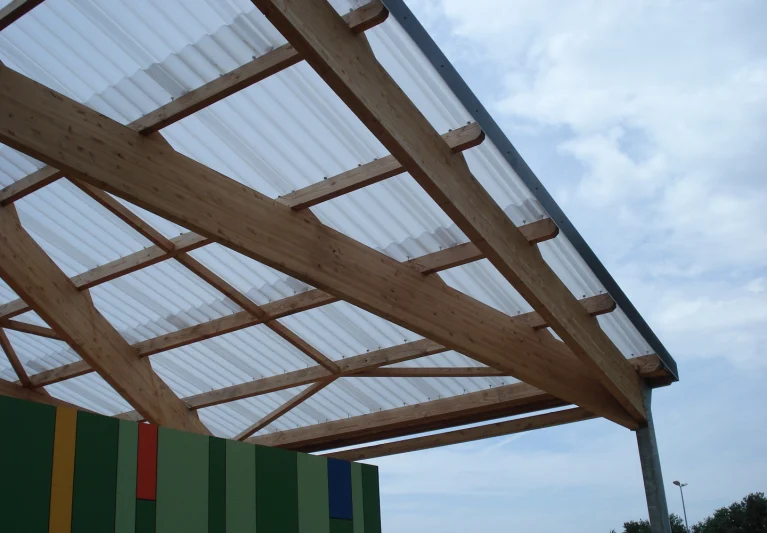
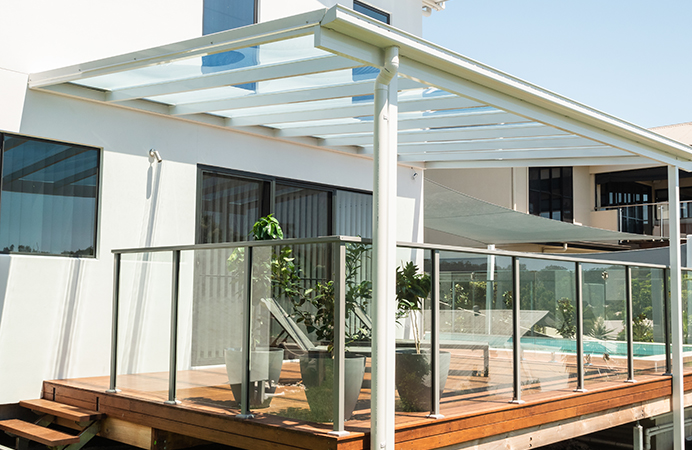
Direct Answer: Polycarbonate roofing sheets are engineered thermoplastic panels that combine impact resistance, light transmission, and weather durability. In Kenya, they are used for warehouses, carports, patios, and modern commercial buildings because they reduce heat gain, resist hail and storms, and offer longer life than traditional materials.
Key reasons Kenyan builders choose polycarbonate sheets:
-
High impact strength: 200× stronger than glass — ideal for Nairobi’s unpredictable weather.
-
UV protection: Filters harmful rays — essential for coastal cities like Mombasa and Malindi.
-
Lightweight: Reduces structural load — lowers foundation costs.
-
Energy savings: Improves natural lighting and thermal performance.
Explore high‑quality options at BHD’s Polycarbonate Roofing Sheets collection:
BHD Polycarbonate Roofing Sheets
How Do Egyptian and Chinese Polycarbonate Sheets Differ Technically?
Direct Answer: Egyptian and Chinese polycarbonate sheets differ in raw material quality, UV coatings, thickness tolerances, and warranty coverage — all of which affect performance in Kenyan climates.
| Feature | Egyptian Variants | Chinese Variants |
|---|---|---|
| Raw Material Grade | Premium‑grade (higher impact strength) | Varies by manufacturer |
| UV Coating | Dual‑side UV protection standard | Single‑side or variable |
| Thickness Tolerance | ±0.15 mm | ±0.25 mm |
| Light Transmission | High & consistent | Medium–High |
| Thermal Stability | Strong in high UV environments | Moderate |
| Warranty (Typical) | 10–15 years | 5–10 years |
| Compliance | Often KEBS‑tested batches | Requires verification |
All products should be accompanied by KEBS certification and provide KRA eTIMS‑validated invoices to qualify for construction tax deductions.
Performance Differences Under Kenyan Climates
Nairobi & Highlands
-
Egyptian: Consistent light transmission with minimal yellowing over time.
-
Chinese: Good performance but may show slight discoloration after prolonged sun exposure.
Coastal Regions (Mombasa, Malindi)
-
Egyptian: Dual‑side UV protection resists salt‑air degradation and fading.
-
Chinese: Single‑side coatings may weaken faster, especially near the sea.
Western Kenya (Kisumu, Bungoma)
-
Both: Perform well due to moderate UV — Egyptian variants still maintain longevity edge.
Both types can meet National Building Code 2024 material standards when properly certified, but Egyptian panels tend to retain performance longer in Kenya’s harsh equatorial sun.
Light Transmission & Heat Gain Comparison
| Specification | Egyptian | Chinese |
|---|---|---|
| Light Transmission | 70–90% (clear) | 60–85% |
| Heat Gain Control | Better with specialized UV/IR coatings | Adequate, depending on coating |
| Daylight Factor | Higher illumination | Moderate illumination |
For patios, skylights, and translucent roofs, Egyptian variants often allow brighter, cooler interiors — an advantage in tropical Kenya.
Installation Considerations in Kenya
Direct Answer: Proper installation with allowances for expansion, anchoring, and sealing is crucial for both Egyptian and Chinese polycarbonate sheets.
Best Practices:
-
Allow for Thermal Expansion: Use oversized fastener holes and flexible washers.
-
UV Side Facing Out: Always orient the side with UV protection toward the sun.
-
Ridge Caps & Flashing: Seal edges against driving rain.
-
Compatible Fasteners: Use corrosion‑resistant screws and sealants compliant with KEBS 2025 Standards Levy.
BHD provides all necessary installation accessories and sealing kits designed for Kenyan conditions:
BHD Roofing Accessories
Cost Comparison: Egyptian vs. Chinese Sheets
| Cost Element | Egyptian | Chinese |
|---|---|---|
| Price per m² | KES 2,200–3,200 | KES 1,800–2,800 |
| Installation Cost | Similar | Similar |
| Expected Lifespan | 12–15+ years | 7–10+ years |
| Maintenance | Low | Low–Medium |
Factoring lifecycle costs, warranty coverage, and performance degradation, Egyptian sheets often deliver a lower total cost of ownership in Kenyan applications.
KEBS Certification in Kenya
Direct Answer: Both variants can be KEBS certified, but certification varies by batch and supplier. Always verify that the product batch is KEBS-tested and comes with proper documentation.
Tips:
-
Check for a KEBS mark or test report.
-
Ensure certificates reference relevant polycarbonate standards.
-
Obtain KRA eTIMS‑validated invoices to qualify for tax deductions.
Purchase from trusted suppliers like BHD to ensure certified, compliant materials:
BHD Polycarbonate Sheets
Calculating ROI for Polycarbonate Roofing in Kenya
| Component | Egyptian | Chinese |
|---|---|---|
| Material (KES) | 280,000 | 240,000 |
| Installation | 80,000 | 80,000 |
| Lifespan | 15 years | 10 years |
| Maintenance (15 yrs) | 30,000 | 50,000 |
| Replacement Cycles | 0 | 1 |
Total Cost Over 15 Years:
-
Egyptian: ~KES 390,000
-
Chinese: ~KES 490,000 (with one replacement cycle)
Result: Egyptian sheets may deliver a ~20% better long-term value in many Kenyan climates.
Where to Buy Certified Polycarbonate Sheets in Kenya
BHD supplies high-quality Egyptian and Chinese polycarbonate roofing sheets with KEBS certification and next-day delivery across Kenya:
Delivery Key Areas: Nairobi, Nakuru, Kisumu, Mombasa, Eldoret, Thika, Meru, Kitengela, Malindi.
Contact BHD: +254 731 217 462 | +254 790 545 205
Industrial Area, Funzi Road, Nairobi
Website: https://bhd.co.ke
Conclusion: Which Variant Should You Choose?
Choose based on climate exposure, budget, and long-term performance needs:
-
Egyptian polycarbonate sheets deliver better value in high UV and coastal conditions.
-
Certified Chinese variants can be cost-effective for moderate environments.
Always buy KEBS-certified products with valid KRA eTIMS invoices to ensure compliance, durability, and ROI.
Frequently asked questions
Written & reviewed by
BHD Kenya
Burhani Hardware Dealers (BHD Kenya) is a Nairobi-based supplier of polycarbonate roofing, Alucobond/ACP cladding, Perspex, WPC wall panels and steel products, serving contractors, fabricators and homeowners across Kenya.