

WPC Wall Panels vs. Gypsum Board Kenya: 2026 Coastal Interiors Guide | BHD
Quick answer
WPC (wood-plastic composite) wall panels are moisture-resistant, so they hold up in humid coastal rooms where gypsum board can absorb water, stain, sag or grow mould. Gypsum is cheaper and gives a seamless painted finish, but it needs a dry, well-ventilated space. For Mombasa, Kilifi and Malindi interiors, WPC is the more durable choice.
Introduction
Interior wall finishes are more than aesthetics—they define durability, maintenance cost, indoor air quality, and occupant comfort, especially in high-humidity coastal regions of Kenya.
In areas like Mombasa, Kilifi, and Malindi, ocean humidity, salt-laden air, and frequent rainfall present unique challenges for interior wall materials. Two popular choices in modern construction are:
-
WPC (Wood-Plastic Composite) Wall Panels
-
Gypsum Board (Plasterboard / Drywall)
But which performs better where humidity levels frequently exceed 70% and atmospheric salt accelerates material degradation?
This guide answers that question with technical comparisons, performance data, Kenyan building context, and practical recommendations for 2026 projects subject to KEBS Standards Levy 2025, KRA eTIMS (Expense Validation), and the National Building Code 2024.
What Are WPC Wall Panels?
Direct Answer:
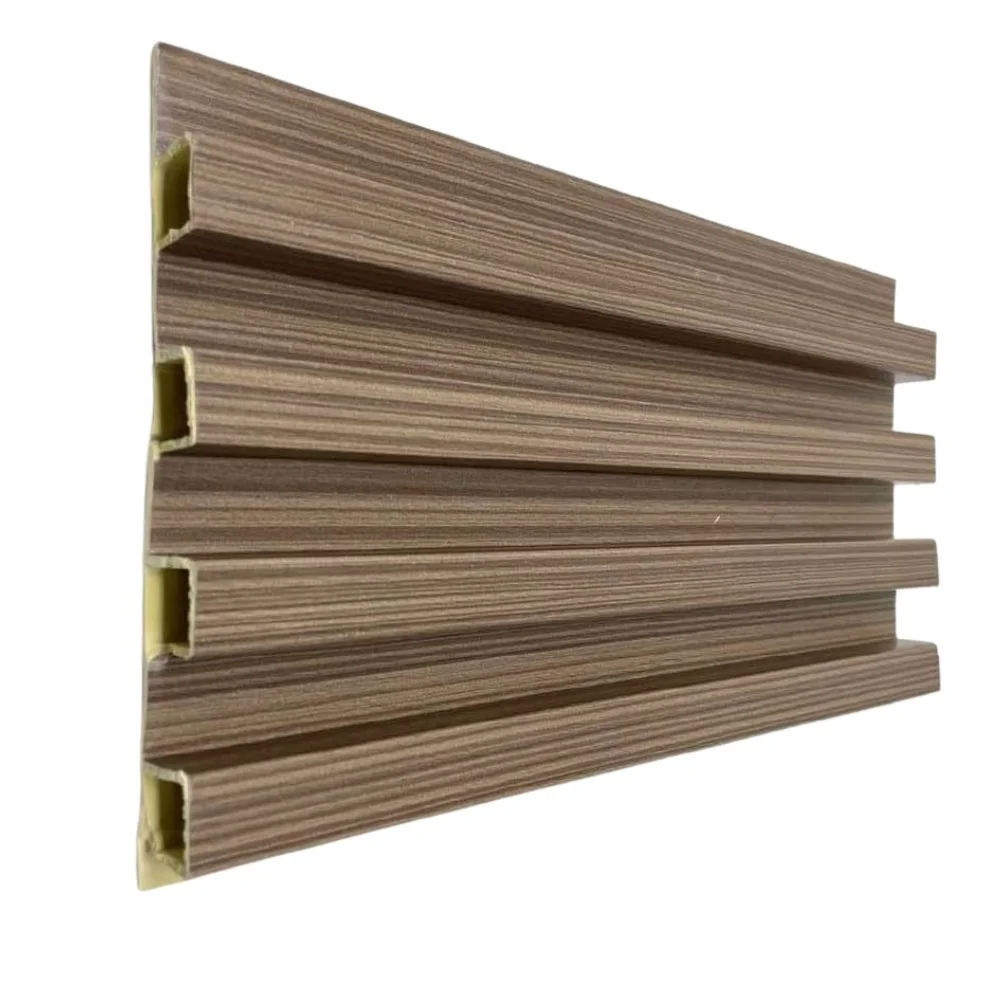
WPC wall panels are engineered composite panels made of wood fibers and thermoplastic resins designed for moisture resistance and durability.
They are ideal for humid and coastal environments due to low water absorption and termite resistance.
Description:
Wood-Plastic Composite (WPC) wall panels blend wood flour or fibers with plastic polymers (typically PVC or polypropylene). The manufacturing process creates a dense, stable panel resistant to:
-
Moisture and vapor
-
Termites and fungal decay
-
Warping and swelling
Unlike natural wood, WPC retains dimensional stability in coastal climates. Additionally, WPC can be finished with textures or colors that mimic timber, stone, or modern architectural themes.
What Is Gypsum Board?
Direct Answer:
Gypsum board is a calcium sulfate-based panel bonded between two paper facings, commonly used for interior walls and ceilings.
It is cost-effective and widely used, but traditional gypsum is sensitive to moisture unless specifically treated.
Description:
Gypsum board (often called drywall) consists of a gypsum core sandwiched between heavy paper liners. Standard gypsum board offers:
-
Smooth surfaces ideal for painting or wallpaper
-
Ease of installation and finishing
-
Fire resistance (in specific types)
However, standard gypsum board absorbs water and degrades in high humidity, leading to sagging, staining, and mold growth if not properly protected.
How Does Kenya’s Coastal Climate Affect Wall Materials?
Direct Answer:
High humidity, frequent rainfall, and salt-laden winds in coastal Kenya accelerate moisture absorption, corrosion, and biological growth on interior wall surfaces.
Material choice must prioritize moisture resistance, mold resistance, and long-term dimensional stability.
Key environmental factors:
-
Relative humidity: 70–90% year-round
-
Saline atmosphere due to proximity to the Indian Ocean
-
Seasonal rains (long and short rains) increasing indoor vapor pressure
-
Thermal fluctuations between day and night
These conditions intensify the demands on interior finishes compared to Kenya’s inland cities like Nairobi or Nakuru.
Performance Comparison: WPC vs. Gypsum in High Humidity
Moisture Resistance
Direct Answer:
WPC wall panels outperform gypsum board in high-humidity environments due to minimal water absorption and resistance to swelling.
Standard gypsum board readily absorbs moisture unless replaced with moisture-resistant variants and proper vapor barriers.
| Feature | WPC Wall Panels | Gypsum Board (Standard) | Gypsum Board (Moisture-Resistant) |
|---|---|---|---|
| Water Absorption | ≈ <1% | ≈ 20–40% | ≈ 5–10% |
| Swelling / Warping | Negligible | High | Moderate |
| Mold / Fungal Growth | Resistant | Prone | Less prone |
| Suitable for Coastal Interiors | Very High | Very Low | Moderate with caution |
Insight: In unprotected coastal interiors, standard gypsum board will sag, discolor, and recruit biological growth within months, whereas WPC maintains dimensional stability.
Impact of Salt Air and Corrosive Conditions
Direct Answer:
Salt-laden air in coastal Kenya accelerates degradation of vulnerable materials.
WPC is inherently resistant to salt corrosion, whereas gypsum board can deteriorate unless sealed and maintained regularly.
Salt acts as a catalyst for:
-
Paper facer degradation in gypsum
-
Metal fastener corrosion
-
Surface pitting and efflorescence
In contrast, the thermoplastic matrix in WPC inhibits salt penetration, preserving structural integrity.
Thermal and Insulation Properties
Direct Answer:
WPC panels provide better thermal insulation than gypsum board due to their composite structure.
Gypsum has low insulation value and may require additional layers for thermal comfort in coastal humidity and heat.
| Property | WPC Wall Panel | Gypsum Board |
|---|---|---|
| Thermal Conductivity | Lower (better insulation) | Higher (poorer insulation) |
| Indoor Temperature Moderation | Good | Moderate |
| Heat Retention | Better | Average |
Coastal buildings without effective insulation can experience heat buildup indoors; WPC contributes a modest insulating effect compared to gypsum.
Installation and Maintenance
Installation Complexity
Direct Answer:
Gypsum board installation is generally faster and cheaper on smooth, straight surfaces.
WPC panels may require pre-prepared framing but result in a more durable finish in humid environments.
-
Gypsum: Quick to install with standard framing; finished with jointing compounds and paint
-
WPC: Requires precise alignment and mechanical fasteners; may need concealed framing
Maintenance Needs
Direct Answer:
WPC panels demand minimal maintenance—periodic cleaning; no repainting or sealing needed.
Gypsum board requires regular inspections, repainting, and moisture control measures.
Coastal humidity and salt air necessitate frequent repainting or sealing if gypsum board is used.
Fire Safety Considerations
Direct Answer:
Gypsum board has inherent fire-resistant properties, making it suitable where fire safety codes require rated assemblies.
WPC panels vary in fire performance; only certified fire-rated panels should be used in commercial or code-regulated spaces.
-
Gypsum board: Often part of fire-rated partitions per National Building Code 2024
-
WPC: Select fire-rated products where required, particularly in corridors, public buildings, or high-occupancy spaces
Indoor Air Quality and Health
Direct Answer:
WPC panels do not promote mold growth and emit low VOCs, contributing to healthier indoor air in humid coastal spaces.
Gypsum board can trap moisture and promote mold without proper vapor barriers and paint finishes.
In health-sensitive spaces (clinics, schools, homes), WPC’s resistance to biological growth is a significant advantage.
Aesthetics and Design Flexibility
Direct Answer:
Gypsum board offers a smooth, paintable surface suitable for curved forms and intricate details.
WPC panels provide modern textures, wood looks, and easy integration with cabinetry and trims.
Design choices matter:
-
Gypsum: Ideal for conventional interiors, ceilings, and detailed moldings
-
WPC: Best for contemporary, moisture-resistant finishes with varied textures
Cost Comparison (2026)
Direct Answer:
Gypsum board is initially cheaper than WPC, but lifecycle costs may be higher in high-humidity coastal regions due to maintenance and replacement needs.
WPC’s higher upfront cost is offset by durability and lower maintenance over time.
| Cost Component | Gypsum Board | WPC Wall Panels |
|---|---|---|
| Material Cost | Low | Medium–High |
| Installation | Low | Moderate |
| Maintenance (5 yrs) | High | Low |
| Replacement Cost | Moderate | Low |
| Lifecycle Value | Lower in coastal | Higher overall |
When calculating total cost of ownership, WPC often proves more economical for humid coastal interiors.
Compliance with Kenyan Standards (2026)
Direct Answer:
All interior wall systems must comply with KEBS Standards Levy 2025 and relevant building codes.
Expense validation under KRA eTIMS (effective Jan 1, 2026) requires proper documentation for tax deductions on material costs.
-
Gypsum board: Should meet KEBS and ASTM Type X or moisture-resistant ratings
-
WPC panels: Must have confirmed standards compliance certificates and documented performance
Adherence to standards ensures safety, quality, and audit compliance.
Where Each Material Works Best
Best Use Cases for WPC Wall Panels
Direct Answer:
WPC panels excel in high-humidity, coastal interiors such as bathrooms, kitchens, lobbies, and corridors.
Recommended for:
-
Hotels and resorts near the coast
-
Houses and apartments with sea exposure
-
Commercial interiors with heavy moisture load
-
Healthcare facilities requiring mold-resistant finishes
Best Use Cases for Gypsum Board
Direct Answer:
Gypsum board is suited for dry interior zones, office partitions, and ceilings where moisture can be strictly controlled.
Ideal for:
-
Offices with controlled HVAC
-
Bedrooms and living areas with dehumidification
-
Ceiling systems with no direct moisture exposure
Common Mistakes to Avoid in Coastal Interiors
Direct Answer:
Installing standard gypsum board without moisture protection in high-humidity coastal areas leads to sagging, staining, and mold within months.
Failing to verify product standards and documentation risks non-compliance and costly rework.
Other mistakes include:
-
Ignoring ventilation and moisture control
-
Using non-rated gypsum in wet areas
-
Selecting low-grade WPC without UV or salt resistance
Installation Best Practices for Coastal Kenya
Direct Answer:
Ensure moisture barriers, proper framing, and ventilation when installing interior wall systems in high-humidity coastal conditions.
Follow manufacturer recommendations and confirm compliance documentation.
Tips:
-
Use vapor barriers behind gypsum board where required
-
Allow air circulation behind panels where feasible
-
Seal edges and penetrations to prevent moisture ingress
-
Choose corrosion-resistant fasteners
Maintenance Guide for WPC and Gypsum
Direct Answer:
WPC requires periodic cleaning with mild detergents and inspection for mechanical damage.
Gypsum board needs repainting, vapor control, and moisture monitoring.
Maintenance checklist (coastal):
-
Quarterly inspection for stains or damp spots
-
Annual repainting for gypsum
-
WPC surface wipe-downs every 3–6 months
-
Check fasteners for corrosion
Case Study: Coastal Hotel Interior Renovation
(Example for context—can be expanded with real data upon request.)
-
Project: Interior wall finishes for a 120-room beachfront hotel
-
Challenge: Salt humidity, high guest turnover, frequent cleaning
-
Solution: WPC wall panels in bathrooms and corridors + moisture-resistant gypsum in dry zones
-
Outcome: Zero water-damage complaints in first 18 months
Final Recommendation
Direct Answer:
For high-humidity coastal Kenyan interiors, WPC wall panels generally outperform gypsum board in durability, moisture resistance, and lifecycle value.
Gypsum board remains appropriate for dry, controlled zones, but only with proper moisture protection.
Decision Summary:
-
Moisture exposure? → Choose WPC
-
Interior aesthetics with low moisture? → Gypsum (treated)
-
Tight budget with controlled environment? → Gypsum
-
Long-term durability and low maintenance? → WPC
Contact Burhani Hardware Dealers (BHD)
For high-quality WPC wall panels, moisture-resistant gypsum board, and expert specification support in Kenya:
Email: burhanihardwaredealers@yahoo.com
Call/WhatsApp: +254 731 217 462 | +254 790 545 205
Visit: BHD, Industrial Area, Funzi Road, Nairobi
Website: https://bhd.co.ke/
Delivery Guarantee:
-
Same-day delivery within Nairobi
-
Next-day delivery countrywide to Nakuru, Kisumu, Mombasa, Eldoret, Thika, Meru, Kitengela, and Malindi
Frequently asked questions

Written & reviewed by
BHD Kenya
Burhani Hardware Dealers (BHD Kenya) is a Nairobi-based supplier of polycarbonate roofing, Alucobond/ACP cladding, Perspex, WPC wall panels and steel products, serving contractors, fabricators and homeowners across Kenya.