

HR Channel Applications in Warehouse Construction Kenya 2026 | BHD Kenya
Quick answer
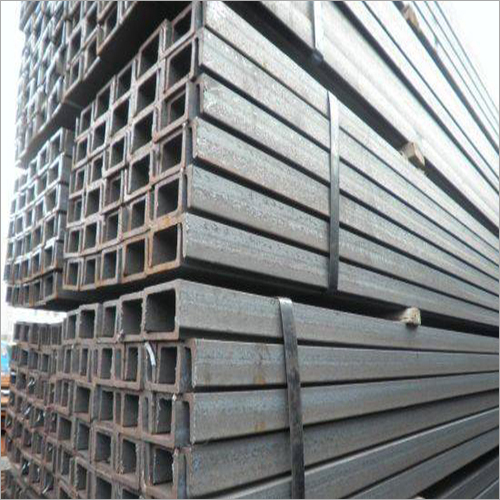
In warehouse construction, hot-rolled steel channels act as purlins and side rails carrying roof and wall sheets, as bracing between frames, and as framing around large doors, mezzanines and platforms. The U shape bolts and welds easily, and the flat back seats cleanly against columns and rafters. Section size is set by the engineer from the spans and loads.
Hot-rolled (HR) steel channels are U-shaped structural steel sections widely used in warehouse framing, industrial plant structures, and roof support systems. In Kenya’s construction sector, they are essential for creating stable, cost-efficient steel frameworks that support roofing systems, wall bracing, and secondary structural loads.
They are particularly important in industrial zones such as Nairobi’s Athi River, Mombasa’s port warehouses, and Kisumu’s logistics facilities where fast, durable, and scalable construction is required.
What Are Hot-Rolled Steel Channels?
Hot-rolled steel channels are structural steel sections formed into a U-shaped profile during the hot rolling process, giving them high strength and durability. They are designed to carry moderate structural loads and provide support in both vertical and horizontal framing systems.
Their geometry makes them ideal for bracing, purlins, and secondary structural elements where stability and alignment are required without the need for heavy load-bearing capacity.
Why HR Channels Are Essential in Warehouse Construction
HR channels are essential in warehouse construction because they provide structural support for roofing systems, wall frames, and internal bracing while keeping construction costs efficient. They allow engineers to build large-span structures without excessive use of heavy beams.
They are widely used in Kenya’s logistics and storage facilities because they balance strength, weight, and affordability in industrial-scale projects.
Key Applications of HR Channels in Industrial Structures
Warehouse Roof Purlins and Support Systems
HR channels are commonly used as roof purlins to support roofing sheets and distribute roof loads across primary structural beams. They help maintain roof alignment and reduce sagging under wind and load pressure.
This makes them ideal for large-span warehouses in industrial zones where roofing stability is critical.
Wall Girts and Structural Bracing
HR channels are used as wall girts to provide lateral support to warehouse walls and steel frames. They help stabilize structures against wind forces and improve overall rigidity.
They are also used in cross-bracing systems that enhance structural resistance under dynamic loads.
Industrial Equipment Frames
HR channels are used to fabricate frames for industrial machinery, conveyor systems, and storage racks. Their U-shaped profile allows easy mounting and alignment of mechanical systems.
This makes them highly valuable in manufacturing plants and logistics hubs.
Mezzanine and Light Platform Structures
In warehouses, HR channels are often used in mezzanine floors and light platforms where moderate load support is required without full beam-level reinforcement.
They provide a cost-effective solution for expanding usable storage space.
Structural Advantages of HR Channels in Warehouse Design
HR channels offer several engineering advantages in industrial construction, especially when used in combination with HR beams and hollow sections.
They are lightweight compared to beams, easy to fabricate, and highly adaptable to different structural layouts. Their shape also allows for easy bolting and welding in modular steel structures.
Kenyan Construction Context: Why HR Channels Are Widely Used
In Kenya, HR channels are widely used in warehouse and industrial construction due to their affordability, availability, and adaptability to local fabrication practices.
In Nairobi and Athi River, they are used in logistics warehouses and distribution centers. In Mombasa, they support port storage facilities exposed to high humidity and corrosion risks. In inland regions like Nakuru and Eldoret, they are used in agricultural storage and cold-chain facilities.
Their versatility makes them a standard choice for contractors handling fast-paced industrial projects.
Durability and Environmental Performance in Kenya
HR channels perform well under Kenyan environmental conditions when properly treated with anti-corrosion coatings such as primer paint or galvanization.
In coastal regions like Mombasa, additional protection is required due to salt-laden air. In inland regions, standard protective coatings are generally sufficient for long-term durability.
Proper maintenance ensures extended service life in warehouse and industrial environments.
Compliance & Structural Standards (Kenya Context)
HR channels used in warehouse construction must comply with KEBS steel standards and be designed in accordance with the National Building Code 2024. Structural engineers specify their use based on load calculations, span requirements, and wind resistance considerations.
Compliance ensures safe structural performance, especially in large-scale industrial buildings where failure risks are high.
Specifications Table: Hot-Rolled Steel Channels
| Parameter | Typical Specification |
|---|---|
| Shape | U-shaped structural section |
| Material | Hot-rolled mild steel |
| Thickness | Varies (3mm – 12mm+) |
| Length | 6 meters standard |
| Load Capacity | Medium structural load |
| Primary Use | Purlins, bracing, frames |
| Fabrication | Welding and bolting compatible |
| Finish | Black steel / coated |
Installation and Fabrication Considerations
Cutting and Preparation
HR channels are cut to size using angle grinders or industrial cutting machines depending on project requirements.
Welding and Assembly
They are welded or bolted into structural frames, often in combination with HR beams and hollow sections for complete warehouse systems.
Alignment and Fixing
Proper alignment is essential to ensure even load distribution across roofing and wall systems, reducing structural stress points.
Common Mistakes in Using HR Channels
Incorrect use of HR channels can compromise warehouse safety and structural efficiency.
Common mistakes include:
- Using channels as primary load-bearing beams
- Poor welding alignment during assembly
- Inadequate corrosion protection in coastal environments
- Ignoring engineering load specifications
Internal BHD Resources for Structural Steel Supply
- steel-products-in-kenya
- hr-beams
- ms-te
- rectangular-hollow-section-rhs
- square-hollow-section-shs
- ms-flat-bars
- contact-us
FAQ: HR Channels in Warehouse Construction
What are HR channels used for in warehouses?
They are used for roof purlins, wall girts, bracing systems, and light structural framing.
Are HR channels strong enough for industrial buildings?
Yes, when used correctly as secondary structural members in engineered designs.
Can HR channels replace HR beams?
No, they are not designed for primary load-bearing applications.
Do HR channels rust easily?
Yes, they require protective coatings such as paint or galvanization.
Why are HR channels popular in Kenya?
They are affordable, versatile, and widely available for industrial fabrication projects.
Contact Burhani Hardware Dealers (BHD)
burhanihardwaredealers [at] yahoo.com
Call/WhatsApp: +254 731 217 462 | +254 790 545 205
Visit: BHD, Industrial Area, Funzi Road, Nairobi
Website: https://bhd.co.ke/
Delivery Guarantee:
Same-day delivery within Nairobi.
Next-day delivery countrywide to Nakuru, Kisumu, Mombasa, Eldoret, Thika, Meru, Kitengela, Malindi.
Frequently asked questions
Written & reviewed by
BHD Kenya
Burhani Hardware Dealers (BHD Kenya) is a Nairobi-based supplier of polycarbonate roofing, Alucobond/ACP cladding, Perspex, WPC wall panels and steel products, serving contractors, fabricators and homeowners across Kenya.