

High-Quality Structural Steel in Kenya: Buyer’s Guide 2026 | BHD Kenya
Quick answer
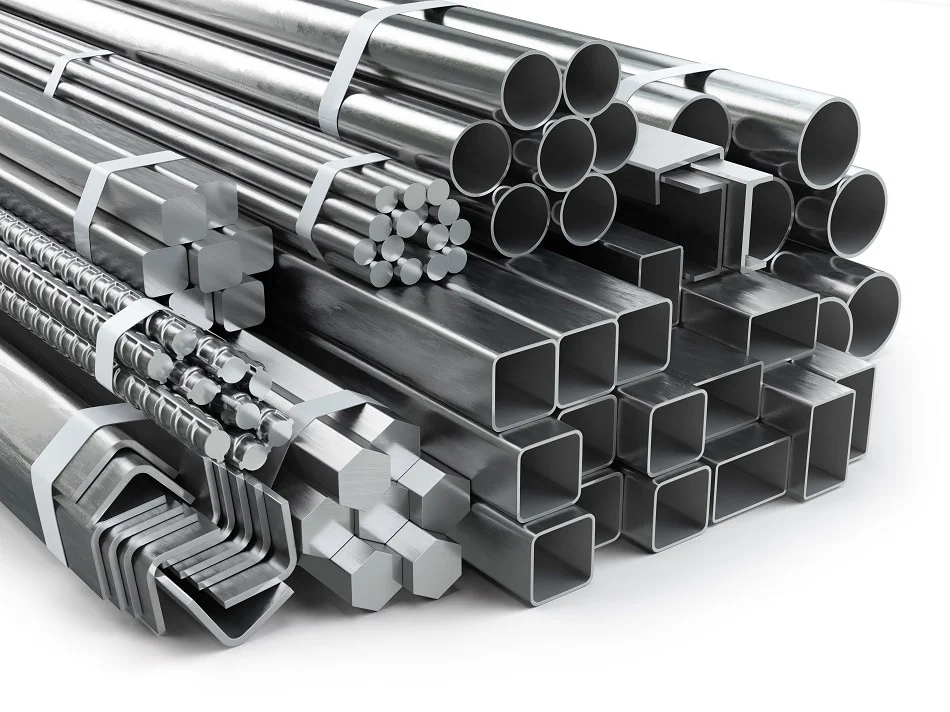
Structural steel in Kenya is sold as H and I beams, channels, angles, tees, flat bars, hollow sections and plates, each in set section sizes and thicknesses. Quality matters because the section carries load: check that the size and wall thickness match the drawing, that the section is straight and true, and that the supplier can trace the source.
High-quality structural steel products are the foundation of safe buildings, warehouses, bridges, and commercial developments, because steel directly determines load-bearing capacity, structural stability, and long-term durability. In Kenya’s fast-growing construction sector, poor-quality or counterfeit steel remains a major risk, especially in urban developments where demand is high and supply chains are fragmented.
Sourcing verified structural steel ensures compliance with engineering designs, prevents premature failure, and protects both investment and human safety in residential and commercial projects.
What Defines High-Quality Structural Steel?
High-quality structural steel is steel that meets standardized mechanical properties such as tensile strength, yield strength, and dimensional accuracy, while also complying with national or international material standards. It must also be free from excessive impurities, surface defects, and inconsistent thickness.
In practical construction terms, quality steel maintains consistent load performance across beams, columns, channels, and reinforcement systems without deformation under designed stress conditions.
Why Steel Quality Matters in Construction Projects
Steel quality is critical because it directly affects how a structure responds to loads, environmental stress, and long-term wear. Poor-quality steel can lead to cracking, bending, or catastrophic failure under load, especially in multi-storey buildings and industrial structures.
In Kenya, where rapid urban development is ongoing in Nairobi, Mombasa, and emerging satellite towns, ensuring steel integrity is essential for safe and compliant construction.
How to Identify High-Quality Structural Steel in Kenya
1. Check for Certified Supplier Documentation
High-quality steel should come with mill certificates or supplier documentation showing compliance with KEBS standards and material specifications. These documents confirm that the steel has been tested for strength and consistency.
2. Inspect Surface Finish and Uniformity
Quality steel has a consistent surface finish without excessive rust, cracks, or scaling. Uneven surfaces or visible defects may indicate poor manufacturing processes or improper storage.
3. Verify Dimensional Accuracy
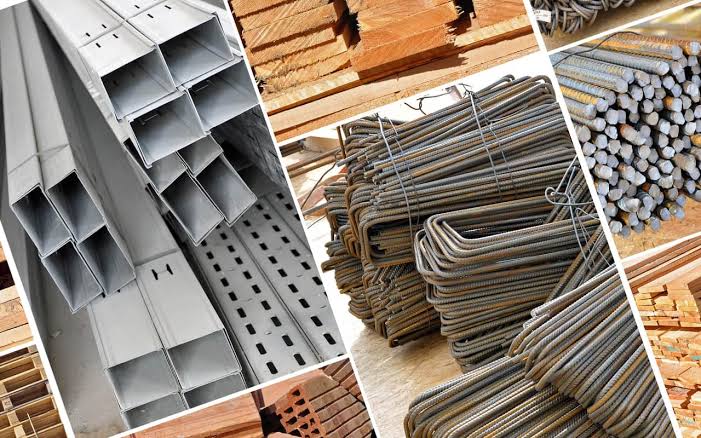
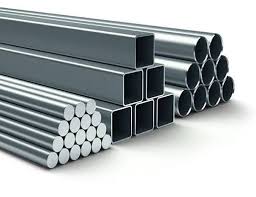
Structural steel such as HR beams, channels, and hollow sections must have precise dimensions. Variations in thickness or shape can compromise load distribution and structural alignment.
4. Conduct Basic Load and Flex Testing (Site Level)
On construction sites, fabricators often perform basic checks by observing bending behavior under controlled conditions. Quality steel should resist deformation within expected structural limits.
5. Confirm Supplier Reputation and Track Record
Reliable suppliers with consistent delivery history are more likely to provide certified and tested steel products compared to informal market sources.
Common Risks of Low-Quality Steel in Kenya
Using substandard steel introduces serious structural and financial risks in construction projects.
Common risks include:
- Reduced load-bearing capacity in beams and columns
- Premature corrosion and structural weakening
- Inconsistent welding performance during fabrication
- Structural failure under heavy loads or seismic stress
- Costly reconstruction or retrofit work
These risks are especially critical in high-rise buildings and industrial warehouses.
Kenyan Construction Context: Why Quality Control Is Essential
In Kenya’s construction industry, demand-driven markets sometimes lead to the circulation of substandard steel products, particularly in informal supply channels.
In Nairobi and Mombasa, large-scale commercial projects require strict quality control due to high-rise construction density. In emerging towns, rapid development can lead to inconsistent supplier standards if procurement is not carefully managed.
Engineers and contractors increasingly prioritize verified suppliers to reduce structural risk and ensure compliance with building regulations.
Compliance & Standards for Structural Steel in Kenya
High-quality structural steel in Kenya should comply with KEBS standards and align with the National Building Code 2024 requirements for structural safety and material performance.
Compliance ensures:
- Verified mechanical strength
- Standardized dimensions
- Safe load-bearing performance
- Regulatory approval for commercial construction
Structural engineers rely on these standards when approving steel for use in critical structural elements.
Specifications Table: Structural Steel Quality Indicators
| Parameter | Quality Requirement |
|---|---|
| Tensile Strength | Consistent with design specifications |
| Yield Strength | Meets structural engineering requirements |
| Surface Condition | Free from cracks, scaling, and deep rust |
| Dimensional Tolerance | Within KEBS-approved limits |
| Certification | Mill test certificate available |
| Weldability | Smooth, consistent fusion performance |
| Application Suitability | Beams, channels, hollow sections, reinforcement |
Best Practices for Sourcing Steel in Kenya
1. Buy from Verified Suppliers
Always source from established distributors with a proven track record in structural steel supply and documentation compliance.
2. Match Steel Type to Structural Design
Ensure HR beams, channels, SHS, RHS, and reinforcement bars match engineering drawings and load calculations provided by a structural engineer.
3. Inspect Materials Before Acceptance
Conduct physical inspection upon delivery to verify consistency in dimensions, finish, and labeling before installation begins.
4. Avoid Unverified Market Sources
Avoid purchasing steel from informal or undocumented sources, especially for load-bearing structural components.
5. Maintain Proper Storage Conditions
Steel should be stored in dry, ventilated areas to prevent corrosion before installation.
Internal BHD Resources for Verified Structural Steel
- steel-products-in-kenya
- hr-beams
- rectangular-hollow-section-rhs
- square-hollow-section-shs
- ms-flat-bars
- ms-tee
- contact-us
FAQ: Structural Steel Quality in Kenya
How do I know if steel is high quality?
Check for certification, consistent dimensions, smooth surface finish, and supplier reputation.
What is the risk of using low-quality steel?
It can lead to structural failure, reduced load capacity, and safety hazards in buildings.
Is KEBS certification important for steel?
Yes, it ensures the steel meets national safety and performance standards.
Can poor-quality steel be used in small projects?
Even small projects require quality steel to ensure safety and durability.
Where should I buy structural steel in Kenya?
Always use verified suppliers with documented quality control and proven delivery history.
Contact Burhani Hardware Dealers (BHD)
burhanihardwaredealers [at] yahoo.com
Call/WhatsApp: +254 731 217 462 | +254 790 545 205
Visit: BHD, Industrial Area, Funzi Road, Nairobi
Website: https://bhd.co.ke/
Delivery Guarantee:
Same-day delivery within Nairobi.
Next-day delivery countrywide to Nakuru, Kisumu, Mombasa, Eldoret, Thika, Meru, Kitengela, Malindi.
Frequently asked questions

Written & reviewed by
BHD Kenya
Burhani Hardware Dealers (BHD Kenya) is a Nairobi-based supplier of polycarbonate roofing, Alucobond/ACP cladding, Perspex, WPC wall panels and steel products, serving contractors, fabricators and homeowners across Kenya.